Guide to Fees and Taxes Before You Invest
Investment fees and taxes have a direct impact on your net returns. Understanding these costs and how to manage them is essential for making smart financial decisions.
Understanding Investment Fees
When you start investing, you encounter various types of fees. These costs affect not only your choice of investment products but also your final compounding results.
Key Types of Fees
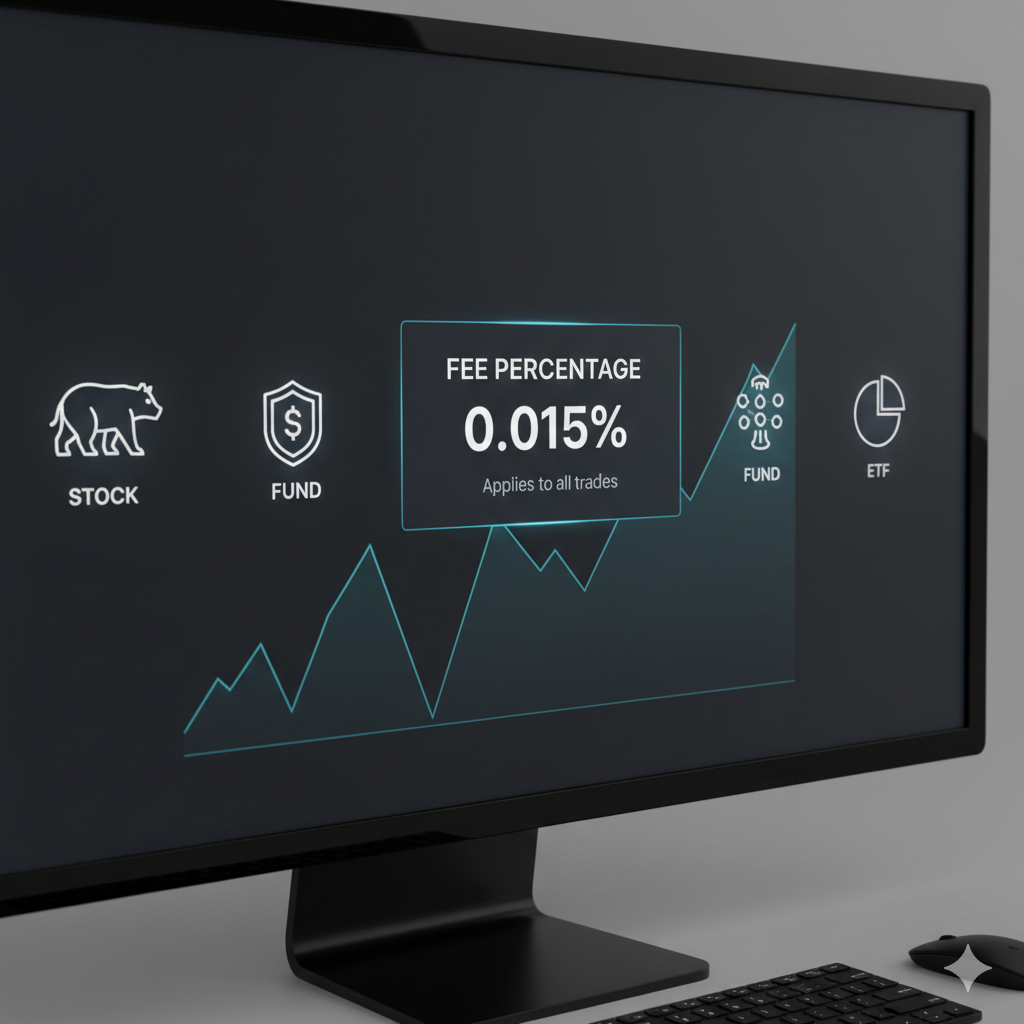
- Commissions: Fees paid to a broker when buying or selling stocks or ETFs. Many modern online brokers now offer $0 stock trades, but checking for hidden costs is wise.
- Expense Ratios (Management Fees): The annual fee paid to the fund manager for operating an ETF or Mutual Fund. Even a 1% difference can cost you thousands of dollars over decades.
- Load Fees: Sales charges paid when buying (front-end) or selling (back-end) certain mutual funds. (ETFs typically avoid these).
- Advisory Fees: If you use a financial advisor or a robo-advisor, you may pay a percentage of your assets under management (often 0.25% - 1%) as a service fee.
Understanding Investment Taxes
Taxes are the single largest expense for many investors. Understanding "After-Tax Return" is crucial. Tax rules vary by country, but here are the general concepts applicable in many jurisdictions (like the US).
Key Types of Taxes
- Capital Gains Tax: Tax on the profit made from selling an asset. Short-term gains (held < 1 year) are often taxed at higher ordinary income rates, while long-term gains enjoy lower preferential rates.
- Dividend Tax: Tax on dividends received. Qualified dividends may be taxed at lower capital gains rates, while non-qualified ones are taxed as ordinary income.
- Transaction Taxes: Some jurisdictions apply a stamp duty or transaction tax on specific securities trades.
Strategies to Minimize Costs
Utilize Tax-Advantaged Accounts
[SUCCESS] Utilize Tax-Advantaged Accounts
Governments offer accounts like IRAs (Individual Retirement Arrangements), 401(k)s, or ISAs (in the UK) to encourage saving. These accounts offer tax-deferred or tax-free growth, which can massively boost your compound interest effect.
- Choose Low-Cost Index Funds: Opt for ETFs with low expense ratios (e.g., < 0.1%).
- Hold for the Long Term: Avoid short-term trading to qualify for lower long-term capital gains tax rates.
- Tax-Loss Harvesting: Strategically selling losing investments to offset gains can reduce your overall tax bill.
Conclusion
Understanding fees and taxes is the best risk-free return you can get. By minimizing leakage through smart account choices and low-cost products, you maximize the money that stays in your pocket to compound for your future.